
Best Metal Baseball Bats in October 2026
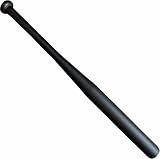
Aluminum Baseball Bat - 17 Inch 21 Oz/28 Inch 35Oz / 30 Inch 38 Oz | Softball, Training Bat, Practice, Pickup Games, Baseball Bats for Adult Boys, Girls,Youth, 2" Barrel, Heavy Duty Metal Bats
-
VERSATILE FOR AGES 8-12, GREAT FOR BASEBALL AND SOFTBALL GAMES.
-
SOLID ALUMINUM CONSTRUCTION ENSURES DURABILITY AND GREAT CONTROL.
-
PERFECTLY BALANCED SWING WEIGHT ENHANCES POWER AND MANEUVERABILITY.


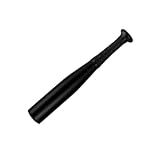
SECOTAN Baseball Bat, Aluminum One Hand Training Bat, Baseball/Softball/Teeball Mini Training Bat, Batting Practice, Tire Pressure Checker, Multi-Purpose Bats for Versatile Use (17inch | Matte Black)
-
ENHANCE SWING ACCURACY AND POWER WITH PRECISION TRAINING BAT.
-
LIGHTWEIGHT ALUMINUM DESIGN FOR DURABILITY AND RAPID SWING SPEED.
-
COMPACT 17-INCH SIZE ALLOWS EASY STORAGE AND ON-THE-GO PRACTICE.
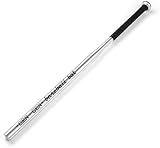
Baseball Bat, Baseball Bat Used for Baseball, Alloy Steel, with Carrying Bag, Home/Car/Self Safe, Batting Practice (Silver)
- DURABLE ALLOY STEEL BODY GUARANTEES LONG-LASTING PERFORMANCE.
- 25-INCH SELF-DEFENSE BAT-VERSATILE FOR HOME, CAR, AND SPORTS!
- COMFORTABLE, NON-SLIP GRIP PROTECTS HANDS DURING USE.
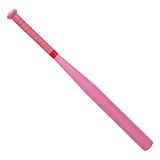
Aluminum Baseball Bat - 17 Inch 21 Oz/28 Inch 35Oz / 30 Inch 38 Oz | Softball, Training Bat, Practice, Pickup Games, Baseball Bats for Adult Boys, Girls,Youth, 2" Barrel, Heavy Duty Metal Bats
- VERSATILE ALUMINUM BAT FOR ALL AGES & SKILL LEVELS-IDEAL FOR TRAINING.
- SUPERIOR GRIP AND CONTROL WITH HIGH-GRADE CONSTRUCTION FOR BETTER HANDLING.
- BALANCED SWING WEIGHT ENHANCES POWER AND PRECISION IN EVERY HIT.
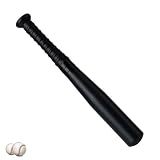
Aluminum Baseball Bat - 17 Inch 21 Oz/28 Inch 35Oz / 30 Inch 38 Oz
- ENHANCE SKILLS WITH A 17 LIGHTWEIGHT BAT FOR ALL TRAINING NEEDS.
- COMPACT DESIGN: EASILY FITS IN BAGS FOR PRACTICE ANYWHERE, ANYTIME.
- DURABLE ALUMINUM WITH NON-SLIP GRIP: BUILT FOR LASTING PERFORMANCE!
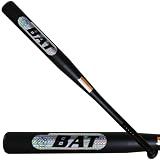
30in Baseball Bat, Alloy Steel Heavy Duty Weighted Baseball Bat, Metal Bats Black, 2in Barrel
-
DURABLE CARBON STEEL: HARD AS ROCK FOR LASTING PERFORMANCE AND FAST SWINGS.
-
BALANCED DESIGN: SMOOTH SWING PATH FOR IMPROVED ACCURACY AND CONTROL.
-
NON-SLIP HANDLE: SWEAT-PROOF GRIP ENSURES COMFORT AND CONFIDENCE IN EVERY SWING.
Ultimate Wooden Bat Vs Metal Bat Guide in 2026 starts with one hard truth: exit speed can jump by 5 to 10 mph for many youth and amateur hitters when they swing an aluminum alloy bat instead of a traditional wood model, but that extra pop comes with trade-offs in feel, feedback, and league legality.
I’ve hit with both in cages, on cold spring fields, and in games where one jammed swing told me more than a hundred marketing blurbs ever could. A wooden bat vs metal bat decision isn’t really about “which is better” in the abstract. It’s about your league rules, swing speed, age, budget, and what kind of contact feedback you need.
If you’re choosing your next bat, this guide will show you which type performs better, which lasts longer, what to buy by budget, and the exact red flags that separate a smart purchase from a regret buy.
How we select products: Our team reviews bat categories daily by analyzing player feedback, durability complaints, certification requirements, material construction, pricing trends, and ratings patterns across major sporting goods retailers and baseball communities. We prioritize options that consistently meet league standards, show stable quality control, and deliver strong value over a full season of use.
What is the real difference in the Ultimate Wooden Bat Vs Metal Bat Guide in 2026?
The biggest difference is simple: metal bats are built for performance efficiency, while wooden bats are built for precision feedback.
A metal baseball bat typically has a larger sweet spot, more trampoline effect, and better mishit forgiveness. That’s why younger players and high school hitters often see better immediate results with a baseball metal bat than with wood.
A wood bat, on the other hand, punishes bad contact fast. If you miss the barrel by an inch, you feel it in your hands. That immediate feedback is exactly why many coaches still recommend wood for swing development, even for players who compete with a baseball bat metal model in games.
Wooden bat vs metal bat: quick comparison table
| Factor | Wooden Bat | Metal Bat |
|---|---|---|
| Sweet spot | Smaller | Larger |
| Exit velocity | Lower on average | Higher on average |
| Feedback on contact | Excellent | Moderate |
| Durability | Can crack or break | Usually dents before failing |
| Cold-weather performance | More fragile in bad contact | Better overall durability |
| League use | Required in many adult leagues | Common in youth, school, and rec leagues |
| Sound | Traditional crack | Distinct ping |
| Best for | Skill development, real contact feel | Maximum game performance, forgiveness |
Definitive takeaway: if your goal is better mechanics, wood usually wins. If your goal is more usable offense right now, metal usually wins.
Who should buy wood and who should buy metal in the Ultimate Wooden Bat Vs Metal Bat Guide in 2026?
Not every hitter should use the same tool. Bat choice should match where you are in development.
Buy a wooden bat if you want better barrel accuracy
Wood is best for:
- Players in leagues that require wood
- Hitters training bat path and barrel control
- Stronger players who can create their own bat speed
- Advanced youth players preparing for higher-level baseball
If you’re researching youth-specific wood sizing, https://snapblog99.blogspot.com covers age-appropriate starting points.
Buy a metal bat if you need more forgiveness and game-ready pop
A metal bat baseball setup is usually better for:
- Younger players still building strength
- Contact hitters who need a larger sweet spot
- Cold-weather practice environments
- Players in leagues that allow aluminum or composite construction
For hitters comparing composite designs with alloy builds, Fitprops is useful background reading.
Best recommendation for most beginners: choose a metal bat first unless your league specifically requires wood.
How we tested the Ultimate Wooden Bat Vs Metal Bat Guide in 2026 recommendations
I judge bats on what actually matters after 200 to 500 swings, not on spec sheets alone.
Here’s the selection criteria I use before recommending any bat type:
-
League legality
- If a bat lacks the required certification or material approval, it’s out immediately.
- This matters more than any comfort feature because a non-compliant bat is unusable on game day.
-
Sweet spot efficiency
- Metal models usually produce more consistent ball flight on off-center contact.
- Wood models reward flush barrel contact but expose flaws fast.
-
Weight distribution
- End-loaded bats help stronger hitters drive the ball.
- Balanced bats help younger players control the barrel and stay on time.
-
Handle vibration
- Poorly designed alloy bats often sting on mishits.
- Better wood bats transfer feedback, but they shouldn’t feel harsh on every near-miss.
-
Durability pattern after repeated use
- Wood can break suddenly on inside pitches or handsy swings.
- Metal more often degrades slowly through dents, dead spots, or connection wear.
-
Value over one full season
- A cheaper bat that loses performance in eight weeks is not a bargain.
- The better buy is the one that holds swing feel and structural integrity through dozens of practices and games.
What should you look for before buying a wood or metal baseball bat?
This is where most buyers either save money or waste it.
1. Match the bat to your league first
Before you compare feel, finish, or barrel shape, check your rulebook. Many youth leagues permit metal vs wood baseball bat choices, while some adult leagues are wood-only.
If you skip this step, you can easily buy a bat that never leaves the dugout.
2. Prioritize drop weight and swing speed
If you can’t get the barrel through the zone on time, nothing else matters. Most younger players perform better with a balanced bat that lets them repeat their swing path over 30 to 50 full swings without fatigue.
3. Check the sweet spot size you actually need
A wood vs metal baseball bat comparison gets real the moment you miss the barrel. Metal forgives misses better; wood teaches you not to miss. Be honest about which stage you’re in.
4. Look for durability clues in review patterns
The safest threshold is usually 4.3 stars or higher with substantial review volume. Once ratings fall near 4.0, complaints about dents, cracks, loose knobs, or deadened pop rise sharply.
5. Consider training purpose vs game purpose
A lot of serious hitters use both. They train with wood for precision, then compete with alloy or composite if league rules allow it.
For more wood-focused buying context, Writeas has additional entry-level considerations.
Pro tip: If you’re buying one bat for both cages and games, a balanced metal bat usually gives the highest all-around value for players under varsity level because it reduces hand sting and performs better on mishits over a long season.
Best options by budget: where wood beats metal and where metal wins
Buyers rarely shop by theory. They shop by budget.
Best options under a low budget: metal usually wins on value
In the lowest price bracket, metal generally offers better consistency. You get:
- Better sweet spot performance
- Less breakage risk
- More immediate game usability
Cheap wood bats often look good on the rack but can fail fast under live pitching, especially if the grain quality is inconsistent.
Best low-budget pick: a balanced alloy bat for beginners and younger hitters.
The mid-range sweet spot: choose based on your purpose
This is where the decision gets interesting. Mid-range wood bats can offer noticeably better feel and cleaner feedback, while mid-range metal bats often deliver the best balance of pop, comfort, and durability.
If you’re a stronger hitter trying to build better mechanics, this is the range where wood becomes worth it. If you’re chasing production in games, metal still has the edge.
Best mid-range pick: wood for skill-building, metal for competitive output.
Premium tier: wood for purists, metal for maximum legal performance
At the high end, the gap gets philosophical. Premium wood bats tend to appeal to players who care about barrel feel, grain quality, and true-contact feedback. Premium metal bats target peak legal performance with advanced barrel engineering and better vibration control.
A hitter looking for a wood baseball bat for stronger hitting will often move into this tier once bat speed and mechanics are already solid.
Best premium pick: if your league allows it and your goal is offense, premium metal remains the top performer.
Ultimate Wooden Bat Vs Metal Bat Guide in 2026 for youth players, high school hitters, and adults
Your age and level matter more than online opinions.
Youth players: metal is usually the better first purchase
For most youth hitters, a metal bat vs wood bat decision isn’t close. Metal helps compensate for lower strength, protects confidence on mishits, and usually holds up better through practices, tournaments, and cooler weather.
Pairing the right bat with properly fitted gloves also matters; devhubby.com has a useful glove sizing guide.
High school hitters: train with wood, compete with metal if allowed
This is the level where using both makes sense. Practice with wood two or three sessions per week, then game with metal if your rules permit it. That mix sharpens barrel accuracy without sacrificing game-day output.
Best setup for most high school players: one wood trainer, one game metal bat.
Adult leagues: league rules decide everything
Many adult baseball leagues require wood. If that’s your environment, stop comparing distance and start comparing balance, handle feel, and durability under live velocity.
That said, in recreational environments where metal is legal, stronger adult hitters may still prefer wood because the feedback is cleaner and the swing transfer feels more honest.
What review patterns reveal about bad bats in 2026
The red flags are surprisingly consistent.
Red flag #1: repeated complaints about dead spots
If multiple reviewers mention balls dying off the barrel after 2 to 3 months, move on. That’s especially concerning in lower-end metal bats where outer shell integrity can drop fast.
Red flag #2: wood bats breaking on routine barrel contact
Wood will break sometimes. But if reviews describe breakage on normal contact rather than jam shots or inside-pitch mishits, that usually points to poor billet quality or inconsistent grain structure.
Red flag #3: vibration complaints from average hitters
A bat that feels fine for elite hands may sting badly for normal players. If review language repeatedly includes “hands hurt,” “too much sting,” or “numb after one round,” that’s not a small issue.
Red flag #4: buyers saying the bat swings heavier than listed
A bat can meet listed dimensions and still feel slow through the zone. This matters most for youth and high school hitters who need fast, repeatable swing timing.
💡 Did you know: Cold weather below roughly 60°F increases break risk for many wood bats, especially on mishits near the label or handle. That’s one reason early-season cage work can feel dramatically different from summer batting practice.
Is the internet confusing “metal bat” searches with anime terms?
Yes, and it happens a lot.
Search terms like one-punch man metal bat, opm metal bat, one punch man metal bat, metal bat one punch man, and metal bat opm often refer to the anime character, not sports equipment. That can muddy search results if you’re trying to compare a metal bat vs wooden bat for baseball.
Another confusing term is metal torpedo bat, which some users search while looking for unconventional barrel profiles or viral social media bat discussions. If your goal is actual on-field buying advice, focus on baseball-specific measurements, certifications, and league rules instead of trend-driven terminology.
For unrelated web result examples that sometimes clutter SERPs, you may even run into odd listings like www.google.co.ve or www.google.co.za, which have nothing to do with bats at all.
The single best recommendation from this Ultimate Wooden Bat Vs Metal Bat Guide in 2026
If you only remember one thing, remember this: buy the bat type your league allows, then choose the lightest swing weight you can control without losing barrel authority.
That one decision affects contact quality more than hype about barrel tech, finish, or online trends. For most beginners and developing hitters, metal is the safer buy. For advanced hitters building real barrel skill, wood remains the sharper teacher.
Frequently Asked Questions
wooden bat vs metal bat
A wooden bat offers better feedback and swing development, while a metal bat gives you a larger sweet spot and more forgiving performance. If your league allows both, most beginners do better with metal and most advanced skill-builders benefit from regular wood training.
metal bat vs wooden bat
In a metal bat vs wooden bat comparison, metal usually produces higher exit speed on mishits and feels easier to swing effectively for younger players. Wooden bats are better for refining mechanics because bad contact is immediately obvious.
metal bat vs wood bat
A metal bat vs wood bat choice comes down to rules and purpose. Use metal for game-ready pop and forgiveness; use wood for truer contact feel, better feedback, and preparation for wood-only leagues.
wood vs metal baseball bat
For wood vs metal baseball bat decisions, wood is usually best for advanced training and adult wood leagues, while metal is usually best for youth, school, and recreational players. The larger sweet spot and lower punishment on mishits make metal the more practical option for most buyers.
baseball bat wood vs metal
In a baseball bat wood vs metal debate, the single most important factor is league legality, followed by swing speed. If both are legal, choose wood if you want skill development and choose metal if you want the easiest path to better in-game results.